





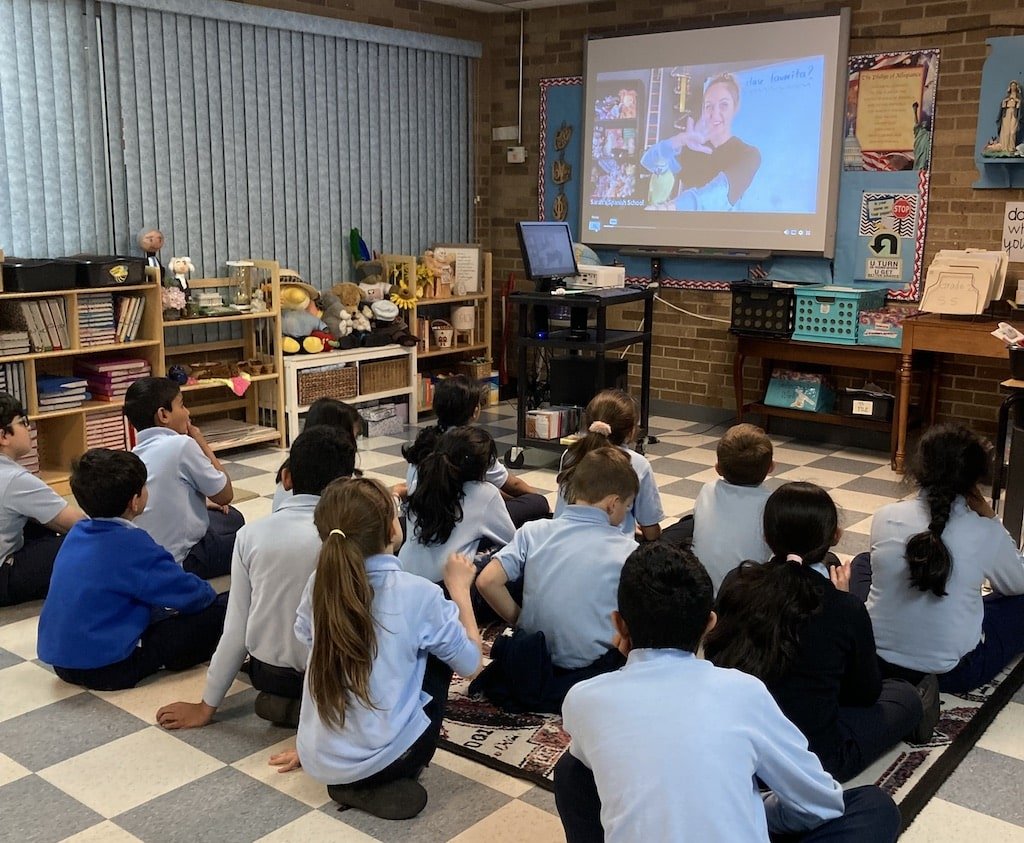
Teaching Spanish through online learning has changed the way many teachers approach language education. Before, many teachers never imagined spending an entire school year teaching from home, but online classes have become part of the new normal. This experience has also shown how important it is to stay flexible and creative, especially for programs like Spanish for Private Schools, where teachers continue to find ways to provide quality language lessons even without a traditional classroom setting.
For many Spanish teachers, distance learning feels like starting over. Teaching methods, classroom rules, activities, and even grading systems need to be adjusted. After years of teaching in a physical classroom, moving everything online can feel challenging. However, it also creates a chance to discover new teaching strategies, improve skills, and create better learning experiences for students.
Below are helpful tips that can guide Spanish and World Language teachers as they adjust to the online classroom.
Adjust Your Teaching Approach and Expectations
One of the biggest changes in distance learning is learning that old classroom routines may not always work online. Teachers need to review their expectations and decide what truly matters for student learning. Some classroom rules about movement, late work, and daily routines may no longer apply when students are learning from different places and dealing with different situations.
Updating a syllabus or classroom guide can be a good first step. Instead of focusing only on rules and small tasks, teachers can create expectations that support communication, participation, and understanding. Online learning requires more patience because students may experience internet problems, distractions at home, or difficulty adjusting to a new way of studying.
Grading systems may also need changes. Instead of giving too much importance to small quizzes and homework, teachers can focus more on the main goals of language learning: understanding, speaking, reading, and writing in Spanish. This allows students to show what they know in different ways.
A balanced grading system can also help make learning fairer. Some students may struggle with completing many small activities, but they may still show improvement through conversations, projects, or other language tasks. Teachers can use online tools and digital activities that allow students to practice while reducing extra work for both teachers and learners.
Build Connections Before Focusing on Lessons
Relationships are an important part of learning, especially in a virtual classroom. Students learn better when they feel comfortable, supported, and connected with their teacher. Although teaching content is important, creating a positive relationship with students should come first.
Starting the school year with simple introduction activities can help students feel welcome. Teachers can ask students about their interests, hobbies, goals, or experiences. These activities do not only help teachers know their students better, but they also create a friendly classroom environment.
For Spanish classes, teachers can use fun activities where students introduce themselves in Spanish. Even simple conversations can help students become more confident using the language. The goal is to show students that learning Spanish is not only about memorizing words and grammar but also about communicating with others.
Teachers can also use online platforms for interactive activities, games, and group discussions. These tools can make students feel involved even when everyone is learning from different locations.
Use Tools That Make Online Teaching Easier
Having the right equipment can make a big difference in online teaching. One useful tool is a second monitor. It allows teachers to see their students on one screen while presenting lessons, slides, or activities on another screen.
A second monitor helps teachers stay organized during online meetings. They can monitor student reactions, answer questions, and manage activities without constantly switching between windows.
Teachers do not always need expensive equipment. A simple monitor, an extra screen, or even a small television can help improve the online teaching experience. Small changes in setup can make virtual classes smoother and less stressful.
Make Your Workload More Manageable
Distance learning has reminded many teachers that doing more does not always mean teaching better. It is important to focus on activities that truly help students improve their Spanish skills.
Instead of grading every assignment, teachers can choose activities that show student progress. Self-checking activities, online quizzes, and interactive exercises can save time while still giving students practice.
Teachers can also reduce unnecessary tasks and focus on meaningful communication activities. For example, students can practice listening, reading, speaking, and writing through real-life situations instead of only completing grammar exercises.
Managing workload also helps teachers protect their time and energy. A healthier balance allows teachers to give more attention to students and create better lessons.
Practice Before Teaching Online
Before starting online classes, teachers should practice using their chosen platforms. Learning how video meetings, screen sharing, breakout rooms, and interactive tools work can make lessons run more smoothly.
Teachers can practice with coworkers, friends, or family members. Trying different features before meeting students helps prevent problems and builds confidence.
It is also helpful to explore online teaching tools such as digital presentations, learning platforms, quizzes, and activity websites. Many teachers discover new tools during distance learning that they can continue using even after returning to a physical classroom.
Connect With Other Language Teachers
Teaching can sometimes feel lonely, especially when adjusting to a completely new system. Having a group of supportive teachers can make the experience easier.
Connecting with other Spanish teachers allows educators to share ideas, resources, and experiences. Teacher communities can provide helpful advice about online activities, classroom management, and lesson planning.
Professional groups, online communities, and language organizations are great places to meet other teachers. Sharing experiences reminds teachers that they are not alone in facing the challenges of online education.
Look at Distance Learning as a Learning Experience
Although online teaching has brought many challenges, it has also created opportunities for growth. Teachers have learned new technology skills, discovered different teaching methods, and found new ways to support students.
Many of the strategies learned during distance learning can continue to improve classrooms in the future. Digital activities, flexible lessons, and better communication methods can remain useful even when face-to-face classes return.
This experience has encouraged teachers to rethink what students truly need and focus more on meaningful learning.
Be Patient With Yourself and Your Students
Distance learning is a new experience for many teachers and students. Mistakes and challenges are expected while everyone adjusts. Learning new technology, changing lessons, and managing online classrooms takes time.
Teachers should remember that progress is more important than perfection. It is normal to have difficult days, technical problems, or lessons that do not go as planned.
The most important thing is to continue supporting students and creating a positive learning environment. With patience, flexibility, and creativity, Spanish teachers can continue helping students grow even in a virtual classroom.